

Humanities
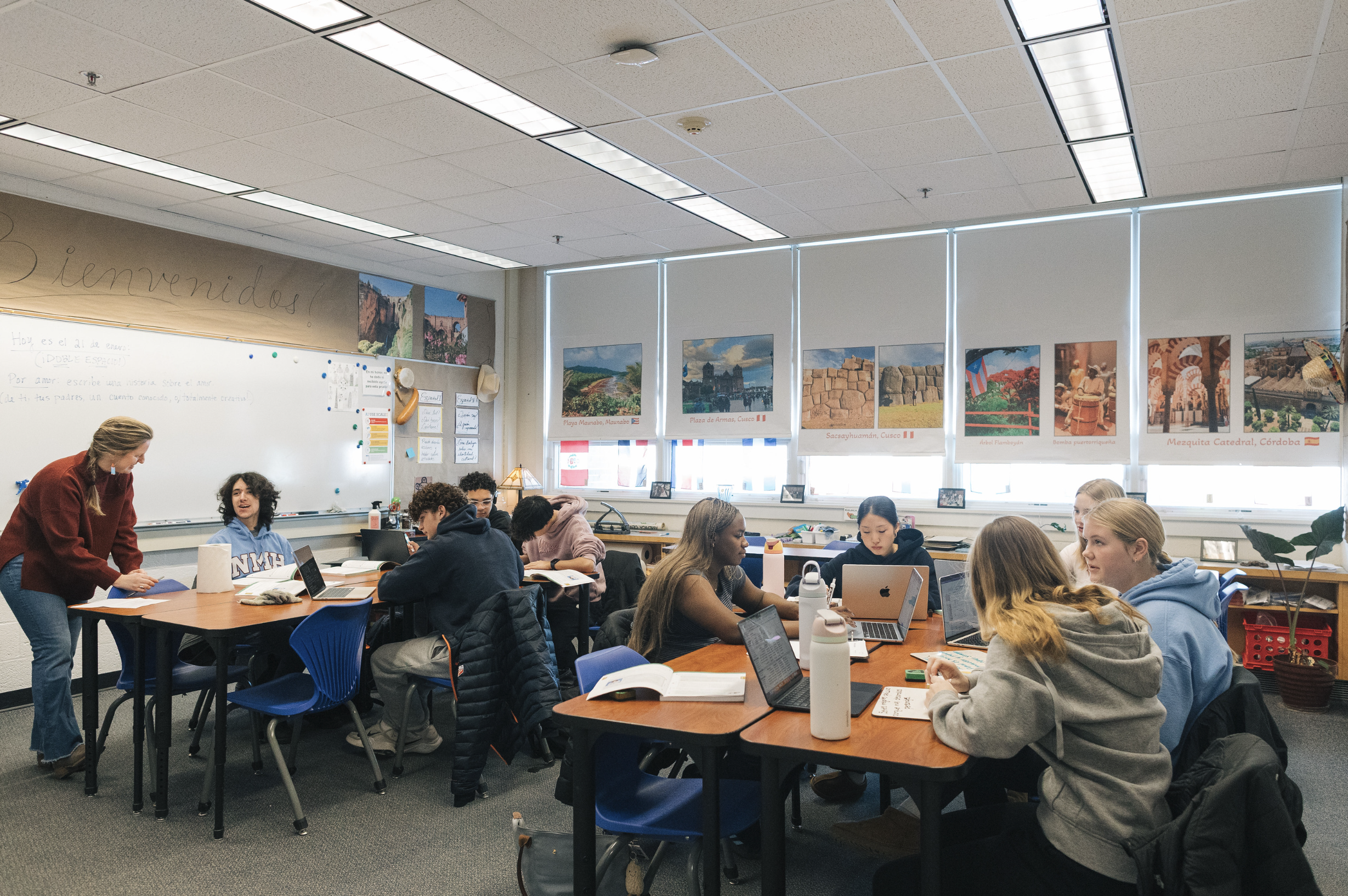
You’ll think deeply about literature and history in order to make sense of the world today, with teachers who will encourage you to engage with the past and present with an open mind and an eagerness to learn.

At NMH Summer, reading, writing, and discussion are the cornerstones of every humanities class. In courses like Current Events and Criminal Justice, you’ll explore contemporary issues while considering historical events and theoretical perspectives. In our Writing and Film Studies courses, you’ll strengthen your self-reflection and empathy as you explore how literature and film enhances our understanding of the world. Regardless of the course, you will emerge ready to tackle your next history and English classes with confidence and a readiness to excel.
Our approach is inquiry-based, as we help you ask thoughtful questions, develop critical-thinking skills, and lean into classroom debates and discussions. You’ll leave NMH Summer better able to communicate your ideas and beliefs in writing and in discussions.
Explore Humanities Courses
-
As the old adage goes: “Those who tell stories will rule the world.” This course pushes beyond borders by exploring short stories from all around the globe. We’ll examine forms, styles, and themes in stories from different cultures, time periods, and literary movements while diving deep into the mechanics of storytelling and the elements of plot, character, setting, and symbolism. You will also write your own short stories, learning the components that comprise a story and how setting, characters, and plot work together.
-
DescripThis course focuses on world and local issues that affect our everyday lives, such as economics, government and conflict. We'll use newspapers, online media, cartoons, and newscasts to support class discussion. Through group projects, presentations, and work with primary source materials and opinion pieces, you’ll better understand the world around you. You’ll also bring in relevant stories to present and discuss with the class.
-
Storytelling is one of the most powerful ways people communicate and understand the world around them, and 20th- and 21st-century films have played a major role in shaping how audiences view American society. From Hollywood blockbusters to independent films, American movies reflect the values, conflicts, experiences, and changing perspectives of people and communities and can influence public attitudes, challenge social norms, preserve cultural history, and shape the way audiences understand issues both within the United States and around the world. By examining American films and embarking on field trips to local cinemas, you will develop important skills in media and cultural literacy, critical thinking, communication, and problem-solving. These skills not only deepen your understanding of American cinema and culture but also prepare you to critically evaluate the media and information you encounter in everyday life.
-
Examine how storytelling in literature and film often challenges us to confront difficult questions about right and wrong, justice, responsibility, and human nature. Explore how writers and filmmakers use characters, conflicts, and moral dilemmas to examine the choices people make when faced with difficult circumstances. What makes an action right or wrong? Are good intentions enough to justify harmful choices? How do our values, experiences, and circumstances influence the decisions we make? You will view and analyze films alongside literary works, looking at how different forms of storytelling present ethical conflicts and shape our understanding of complex characters. Through discussion, writing, critical analysis, and field trips to local cinemas, you will develop skills in media literacy, ethical reasoning, communication, and critical thinking while gaining a deeper understanding of how stories can challenge our beliefs and encourage us to see difficult issues from multiple perspectives.
-
Develop the skills and confidence needed to write compelling college application essays. You will explore what makes an effective personal essay, learn how to identify meaningful experiences and personal themes, and develop a distinctive writing voice that allows admissions readers to understand who you are beyond grades, test scores, and activities. Through guided exercises, discussion, brainstorming, drafting, and revision, you will move from generating ideas to producing a polished college essay. Emphasis will be placed on storytelling, structure, specificity, authenticity, and purposeful reflection as you tackle the Common App essay, individual supplements, and strategies for standardized test writing. You will learn how to transform everyday experiences into meaningful narratives and how to revise your writing for clarity, impact, and originality.
-
Learn the three Cs (clarity, coherence, and conciseness) and five Ws (who, what, when, where, and why) of journalism as you refine your reporting, interviewing, and writing skills and dive deeply into the techniques, principles, and ethics of journalism and digital photography. We’ll explore the diverse areas of the field, including news, features, profiles, opinion pieces, and criticism, while also experimenting with audio and video storytelling. We’ll engage in classroom discussions about readings from a range of publications, focusing on how to address writing challenges. This course will take you around campus and to local events and communities to provide inspiration for your reporting.
-
How does the American criminal justice system function? How does discrimination play a role in the system? This introductory course will provide a broad overview of the criminal justice system, including its history, structure, and processes. You will discuss issues such as racial profiling, privacy rights in the time of AI, mass incarceration, speed of trial, cruel and unusual punishment, and more, while examining the roles of various agencies that seek to maintain public order. Class discussions will center on recent cases and issues, including policy brutality, the death penalty, and sexual assault on college campuses.